
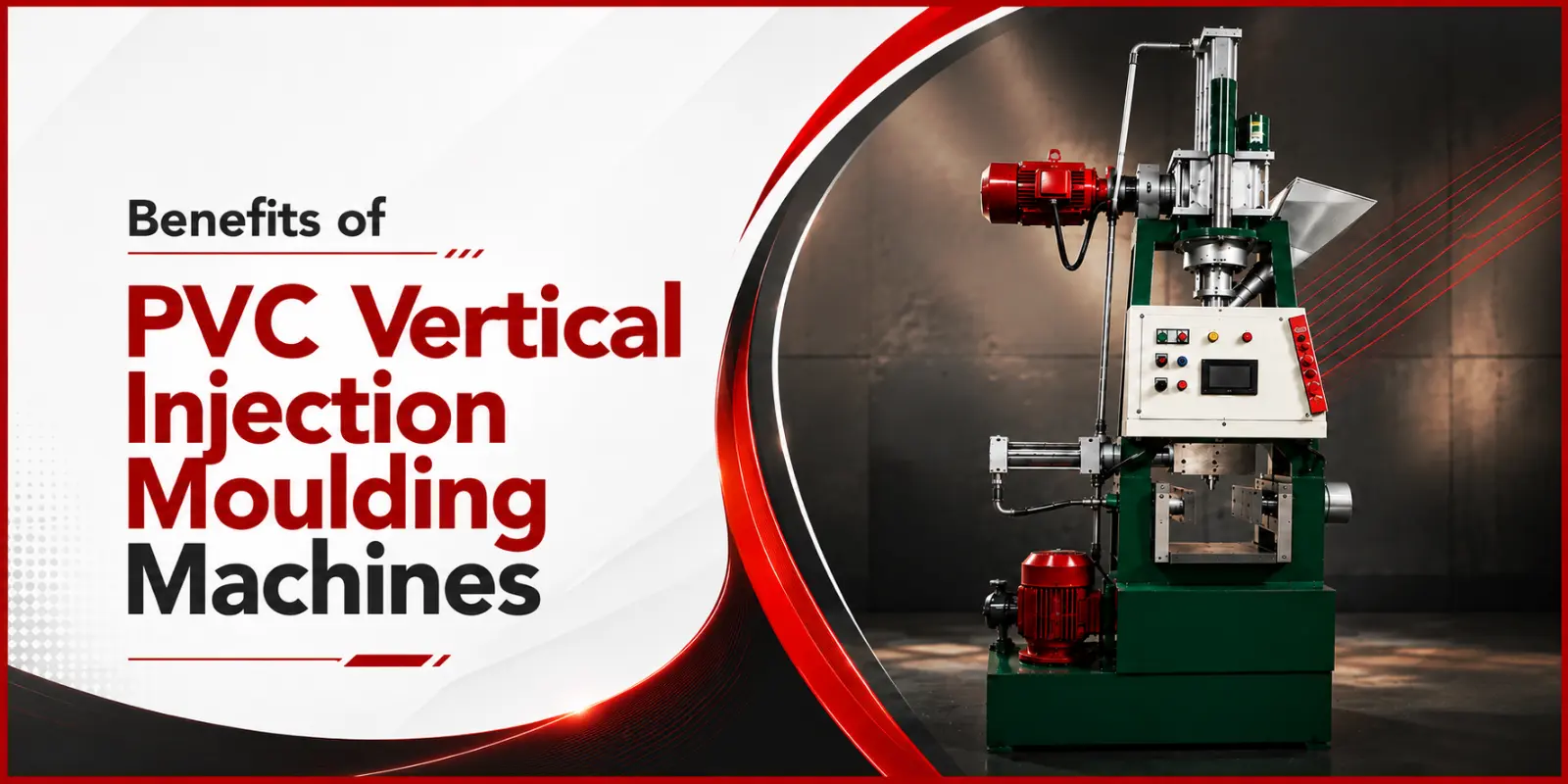
Benefits of PVC Vertical Injection Moulding Machines
In high-precision manufacturing, choosing the right machinery can be the difference between narrow profit margins and long-term scalable growth. When working with Polyvinyl Chloride (PVC)—a versatile, durable, and temperature-sensitive polymer—production line efficiency relies on equipment optimized specifically for its material characteristics.
PVC Vertical Injection Moulding Machines have emerged as an industry-standard solution for modern processing plants. By orienting the clamping system vertically, these machines tackle traditional manufacturing bottlenecks like insert shift, uneven material distribution, and excessive shop-floor footprint.
Whether you manufacture single-density and double-density footwear, industrial pipe fittings, electrical connectors, or custom plastic components, here is an in-depth breakdown of the primary benefits of PVC vertical injection moulding machinery.
1. Unmatched Precision for Insert and Overmoulding
One of the biggest operational challenges in horizontal injection moulding is keeping pre-placed inserts (such as metal threaded bushings, steel shanks in shoes, or electrical pins) stable during mould closure. Gravity often pulls these components out of alignment, causing high defect rates.
Vertical injection machines solve this issue entirely:
Gravity-Assisted Stability: The bottom half of the mould stays stationary facing upward. Operators or robotic arms place inserts flat into the cavity, letting gravity keep them perfectly seated throughout the cycle.
Superior Overmoulding Control: Layering PVC over secondary materials (metal, fabric, rubber, or harder plastics) occurs with zero slippage, ensuring flawless bonding and dimensional accuracy.
2. Optimized for Specialized PVC Footwear & Components
PVC remains the preferred polymer for manufacturing rain boots, safety footwear soles, strap sandals, and industrial gaskets due to its flexibility, chemical resistance, and cost efficiency. Vertical configurations offer unique advantages for these applications:
Direct-to-Upper Moulding: Operators can position fabric uppers or pre-stitched components seamlessly over the bottom mould half without awkward manual handling.
Multi-Color & Multi-Density Capability: Equipped with rotary or slide tables, vertical machines enable continuous multi-station operations. While one station undergoes high-pressure PVC injection, the operator loads or unloads at another station—cutting cycle times nearly in half.
3. Substantial Floor Space Savings
Floor space on factory floors comes at a premium. Horizontal moulding machines demand extensive linear space to accommodate clamping units, hydraulic rams, and ejection mechanisms.
In contrast, vertical injection moulding machines build up rather than out.
Compact Footprint: They typically occupy up to 50% less floor area compared to horizontal units of similar tonnage.
Layout Scalability: Manufacturers can fit significantly more machines within the same square footage, increasing total factory output without requiring physical facility expansion.
4. Enhanced Energy Efficiency & Reduced Material Scrap
PVC requires precise temperature monitoring to prevent thermal degradation and gas generation inside the barrel. Modern vertical injection moulding systems are engineered to streamline energy consumption and reduce waste:
Servo-Driven Hydraulics & Hybrid Systems: Advanced vertical machines integrate energy-efficient servo drives, drawing power only during active movement phases rather than running continuously.
Minimal Material Degradation: Short flow channels and vertical gravity assistance reduce runner length and pressure requirements. This minimizes material thermal exposure, cuts scrap rates, and reduces raw material waste.
5. Seamless Automation Integration
With labor availability fluctuating and the demand for high-speed repeatability growing, automation readiness is critical. Vertical injection moulding machines are designed for easy integration with Industry 4.0 automation systems:
Robotic Pick-and-Place: Linear articulate robots can load inserts and harvest finished parts from above with zero obstruction.
Rotary Table Configurations: Multi-station rotary tables allow robotic arms and human operators to work side-by-side in complete safety, maximizing machine uptime.
Key Industry Applications
Industry | Typical PVC Vertical Moulded Products |
Footwear | PVC shoe soles, safety boot bases, flip-flop straps, dual-density insoles. |
Electrical & Electronics | Heavy-duty power cord plugs, wire harness connectors, grommets, terminal covers. |
Industrial & Hardware | Pipe fittings, valve seals, hand tool grip handles, oil-resistant gaskets. |
Automotive | Cable strain reliefs, interior trim clips, weather-stripping caps. |
Final Thoughts: Upgrading Your Moulding Setup
Investing in a PVC Vertical Injection Moulding Machine offers measurable returns: lower rejection rates, reduced labor fatigue, compact space utilization, and consistent part repeatability. For production units prioritizing high-quality insert moulding and high-output PVC component manufacturing, transitioning to vertical moulding technology is an efficient, scalable choice.